

What should I look for when touring a home?
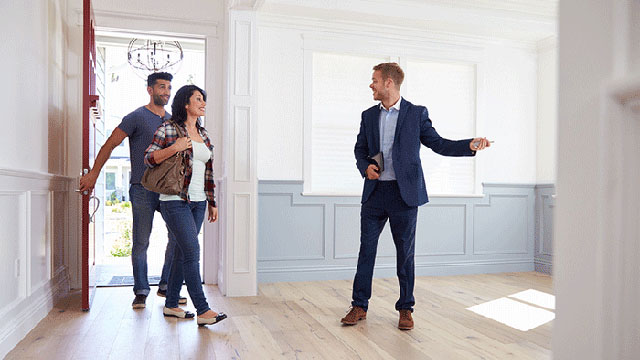
When touring a home, it’s essential to pay attention to various details to make an informed decision about whether the property meets your needs and preferences. Here’s a checklist of things to look for when touring a home:
Exterior Inspection
- Curb Appeal:
- Assess the overall appearance of the home from the street, including the condition of the exterior siding, paint, landscaping, and driveway.
- Roof and Gutters:
- Inspect the roof for signs of damage, missing shingles, or sagging areas. Check the gutters for debris and proper drainage.
- Windows and Doors:
- Look for signs of wear or damage on windows and doors. Ensure they open and close smoothly and that locks are functional.
- Foundation and Exterior Walls:
- Check for cracks, bulges, or other signs of foundation issues. Examine the condition of exterior walls for cracks, water stains, or rot.
- Outdoor Spaces:
- Evaluate the condition and usability of outdoor spaces, such as the backyard, patio, deck, or balcony.
Interior Inspection
- Overall Condition:
- Assess the general condition of the interior, including walls, ceilings, and flooring. Look for signs of water damage, mold, or mildew.
- Layout and Flow:
- Evaluate the layout and flow of the home to determine if it meets your lifestyle needs and preferences.
- Rooms and Spaces:
- Inspect each room for size, layout, and functionality. Visualize how you would use the space and if it fits your furniture and belongings.
- Kitchen:
- Examine the condition and functionality of the kitchen, including appliances, countertops, cabinets, and storage space.
- Bathrooms:
- Check the condition of bathrooms, including fixtures, faucets, toilets, and tubs/showers. Look for signs of water leaks or plumbing issues.
- Utilities:
- Test light switches, electrical outlets, and HVAC systems to ensure they are working properly. Check for any unusual odors or noises.
- Storage Space:
- Evaluate the amount of storage space available, including closets, cabinets, and attic/basement storage.
- Safety Features:
- Look for smoke detectors, carbon monoxide detectors, and fire extinguishers. Check for handrails on stairs and other safety features.
- Plumbing and Water Damage:
- Check for signs of water damage, leaks, or plumbing issues in kitchens, bathrooms, and around sinks, toilets, and water heaters.
- Structural Integrity:
- Look for signs of structural issues, such as sagging floors, cracked walls, or uneven door frames.
- Noise Levels:
- Pay attention to noise levels inside the home and from the surrounding area to determine if it meets your comfort preferences.
- Natural Light and Ventilation:
- Assess the amount of natural light and ventilation in each room. Consider the orientation of windows and the overall brightness of the space.
Conclusion
Touring a home is an opportunity to thoroughly evaluate its condition, features, and suitability for your needs. By following this checklist and paying attention to important details both inside and outside the home, you can make a more informed decision about whether the property is the right fit for you. Additionally, don’t hesitate to ask questions and seek clarification from the seller or their agent during the tour.